
Rules · Updated 30 September 2026 · 5 min read
Do You Need Council Approval for Roof Work on the Sunshine Coast?
Which roof jobs need building approval on the Sunshine Coast and which are exempt: restoration, repairs and painting versus re-roofing, plus licensing.
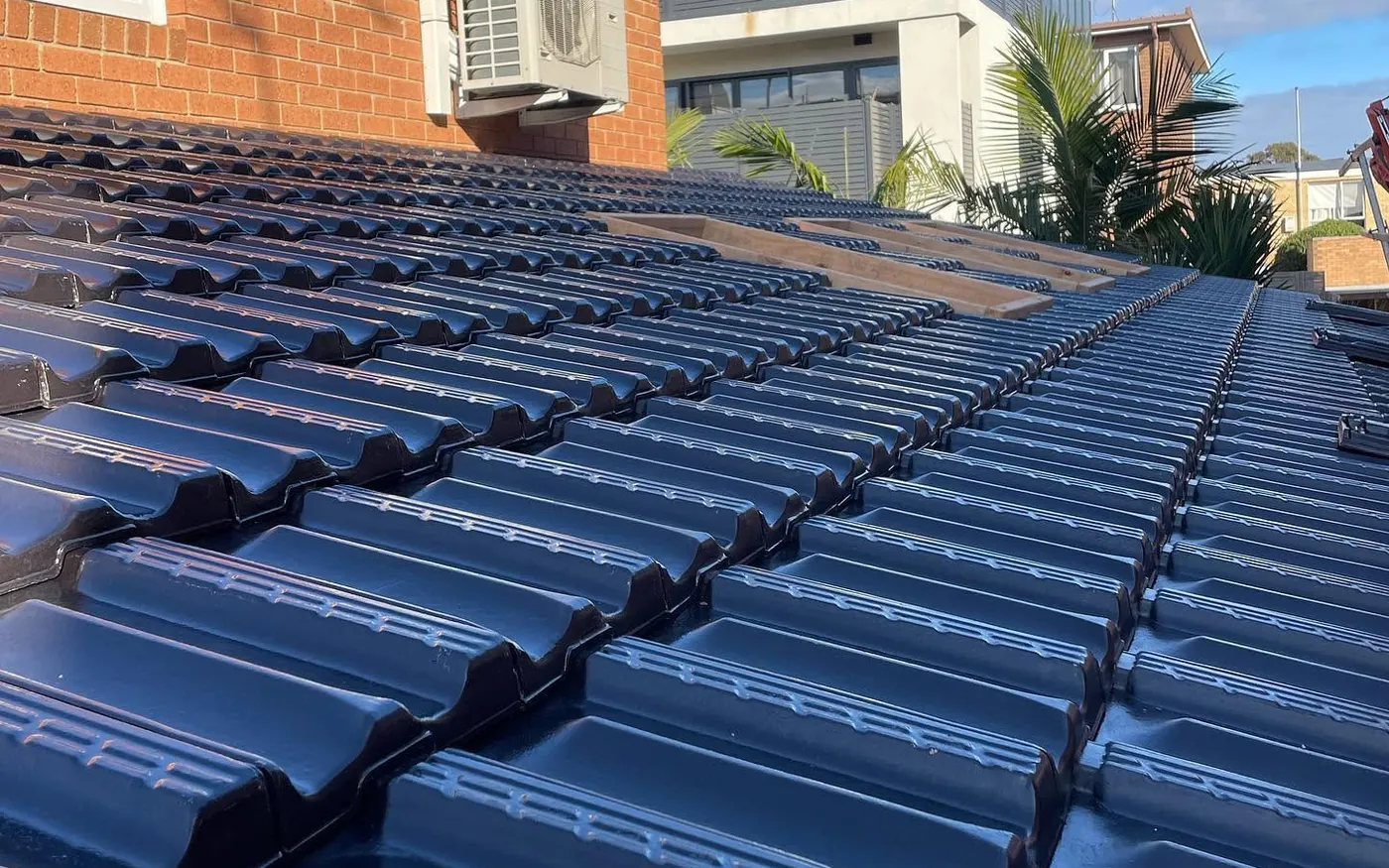
- Restoration, repairs, re-pointing and painting are exempt from building approval under the Building Regulation 2021.
- Re-roofing more than 20% of the roof needs building approval.
- Any roofing job over $3,300 needs a QBCC licensed contractor and Home Warranty Scheme cover.
- Body corporate rules and estate covenants can apply even when council does not.
The short answer
For most roof work, no. Restoring, repairing, re-pointing and painting an existing roof are treated as repairs and maintenance, and Sunshine Coast Council lists repairs and maintenance among the work that does not need building approval. The exemption comes from the state, not the council: it sits in Schedule 1 of the Building Regulation 2021, which applies across Queensland, so the same answer holds in Noosa Shire.
Replacing the roof is different. Council lists re-roofing as work that needs building approval, and the usual trigger is scale: where you are re-roofing more than 20% of the roof, building approval is required. That approval is a building certification step, separate from any planning question.
So a full roof restoration, where the tiles stay and the ridges, valleys and coating are renewed, does not need approval. A re-tile or a change from tiles to Colorbond does. The rest of this guide covers where the line falls, what else applies, and what to ask a contractor before they start.
Roof work that does not need approval
Like-for-like maintenance of an existing roof is exempt. On the Sunshine Coast that covers the jobs we do every week:
- Roof restoration. Pressure clean, repairs, re-bedding and re-pointing, primer and membrane coats. Nothing structural changes.
- Roof repairs. Replacing cracked or slipped tiles, renewing valley irons and flashings, patching sarking. See roof repairs and roof leak repairs.
- Ridge work. Re-bedding and re-pointing ridges and hips. See ridge capping and re-pointing.
- Roof painting and coating. Membrane coating on tiles or metal, including heat-reflective systems. See roof painting.
- Roof and gutter cleaning. High pressure or soft wash. See roof cleaning.
- Gutter and fascia painting. Cleaning and coating existing gutters and fascia boards.
- Replacing a small number of tiles or sheets with matching ones, well under the 20% mark.
The test is whether the work keeps the roof as it is or turns it into a different roof. Same tiles, same profile, same structure, made sound and sealed: no approval. If you are unsure, ask before the job, because the answer is usually a quick one.
Roof work that does need approval
Approval is about structure and safety, so anything that changes what the roof is made of, how it is fixed or what it carries can trigger it:
- Re-roofing more than 20%. The 20% threshold is the one to remember. A full re-tile or re-sheet is over it.
- Changing material. Tiles to Colorbond, or the reverse, changes the weight on the frame and the fixing requirements.
- Changing pitch or shape. Raising a roof, adding a gable or extending over a deck is building work.
- Structural work to rafters or battens beyond a spot repair.
A new roof also has to meet the current standards. For tiles that is AS 2050:2018, which covers bedding and pointing, mechanical fixing, sarking and a minimum pitch of 15 degrees. For wind, the Sunshine Coast sits in AS/NZS 1170.2 Region B, with design winds of 162 to 198 km/h, and a local wind hazard study found older housing more vulnerable. Our tiled roofing service handles re-tiling and new tiled roofs, and we walk you through the certifier process. Whether you need a re-roof at all is covered in Restoration vs Re-Roofing.
Licensing and the Home Warranty Scheme
Approval is one question. Who is allowed to do the work is another, and it applies to restoration just as much as to re-roofing. In Queensland, any building work worth more than $3,300 including materials, labour and GST must be done by a QBCC licensee, and the QBCC lists roof restoration as insurable work under the Queensland Home Warranty Scheme.
That scheme is your protection. The contractor pays the premium to the QBCC before work starts, and the cover runs to $200,000 for defective work and non-completion over 6 years and 6 months. If a contractor quotes over the threshold and does not mention the premium, ask why.
The QBCC issues separate licence classes for different roof trades. Its roof tiling class covers cutting and fixing tiles, battens and flashings and refurbishing roofs, excluding painting them; roof and wall cladding covers metal roofing and rainwater goods; and painting and decorating covers protective coatings. Seaspray Restos is QBCC licensed (lic. 15424815). You can check any licence number on the QBCC register before you sign.
Body corporate, estates and Noosa Shire
Council is not the only body with a say. If you own a unit or townhouse, who is responsible for the roof depends on the survey plan. Under a Building Format Plan the body corporate maintains the roof; under a Standard Format Plan the lot owner does. Before you book a restoration on a townhouse in Sippy Downs or a duplex near the Maroochydore CBD, check which plan applies, because the wrong party paying for it causes arguments later.
Master-planned estates can add covenants. If you bought in Baringa or Nirimba in the Aura development, or in Peregian Springs, check your contract for a design covenant before changing roof colour. A restoration in the same colour is no problem. A change to a colour outside an approved palette may need the estate’s sign-off even though council does not care.
North of the Noosa River the council is Noosa Shire Council, not Sunshine Coast Council. The building approval exemption is the same because it comes from the state regulation. For anything beyond like-for-like work, such as a change of roof material in Noosa Heads or Tewantin, check with the shire first. Our Noosa roof restoration page covers the area.
Safety rules that apply either way
Two sets of rules apply to every roof job whether or not it needs approval. The first is work safety. Workplace Health and Safety Queensland requires fall prevention such as edge protection where a fall of 3 m or more is possible or the roof slope is over 26 degrees, and a safe work method statement for work above 2 m. That is why a quote for a two-storey home includes scaffold or rail hire. A contractor who says they do not need it is telling you something.
The second is asbestos. Older fibro roofs are common in the first-wave beach suburbs, and pressure washing an asbestos cement roof is illegal in Queensland, with fines up to $10,000. We do not pressure clean fibro roofs. If we find one, we say so and talk through the options, which usually means removal by a licensed asbestos remover and a new roof, and that new roof does need approval.
If you are not sure which side of the line your job falls on, ask us before you ask anyone else. We inspect, tell you what the roof needs, and tell you whether it is a restoration with no approval or a re-roof with one. Use the roof health check to get a feel first, then contact us.
Sources
- Sunshine Coast Council: what needs building approval
- Building Regulation 2021 Schedule 1
- Agile Approvals on re-roofing more than 20%
- AS 2050:2018 Installation of roof tiles
- QBCC what work requires insurance
- QBCC Queensland Home Warranty Scheme
- PICA Group on body corporate repairs and maintenance
- WHSQ managing fall risks on roofs
Questions
Council approval questions
Do I need council approval to restore or paint my roof?
No. Repairs, maintenance and painting of an existing roof are exempt from building approval under Schedule 1 of the Building Regulation 2021, and Sunshine Coast Council lists them as work that does not need approval. A full restoration, ridge re-pointing, tile replacement and membrane coating all fall under that exemption.
Does re-roofing need building approval on the Sunshine Coast?
Yes, in most cases. Re-roofing more than 20% of the roof needs building approval, and the new roof must meet current standards for tile fixing and wind loads. Changing material, such as tiles to Colorbond, or changing the pitch or shape also triggers approval.
Does my roofer need a QBCC licence for a roof restoration?
Yes, for any job over $3,300 including materials, labour and GST. The QBCC lists roof restoration as insurable work, so the contractor must also pay the Queensland Home Warranty Scheme premium before starting. That cover protects you for defective work and non-completion. Ask for the licence number and check it on the QBCC register.
Who is responsible for the roof in a body corporate?
It depends on the survey plan. Under a Building Format Plan, common in unit blocks and attached townhouses, the body corporate maintains the roof. Under a Standard Format Plan, common for freestanding homes in a community scheme, the lot owner does. Check the plan before booking work so the right party pays.
Free quote
Need a hand with your roof?
Send your address for a satellite estimate, or call Tyler.
0434 142 995- Satellite estimate within a business day
- 10-year warranty (terms apply)
- QBCC licensed, home warranty covered
- Australian-made coatings